How to Choose the Best Industrial Automation Solutions?
In the field of industrial automation solutions, making the right choice can significantly enhance efficiency and productivity. An expert in the industry, Dr. Emily Carter, states, “Choosing the right automation solution can transform a factory’s potential.” This emphasizes the critical nature of the decision-making process. However, many companies still struggle with understanding their specific needs.
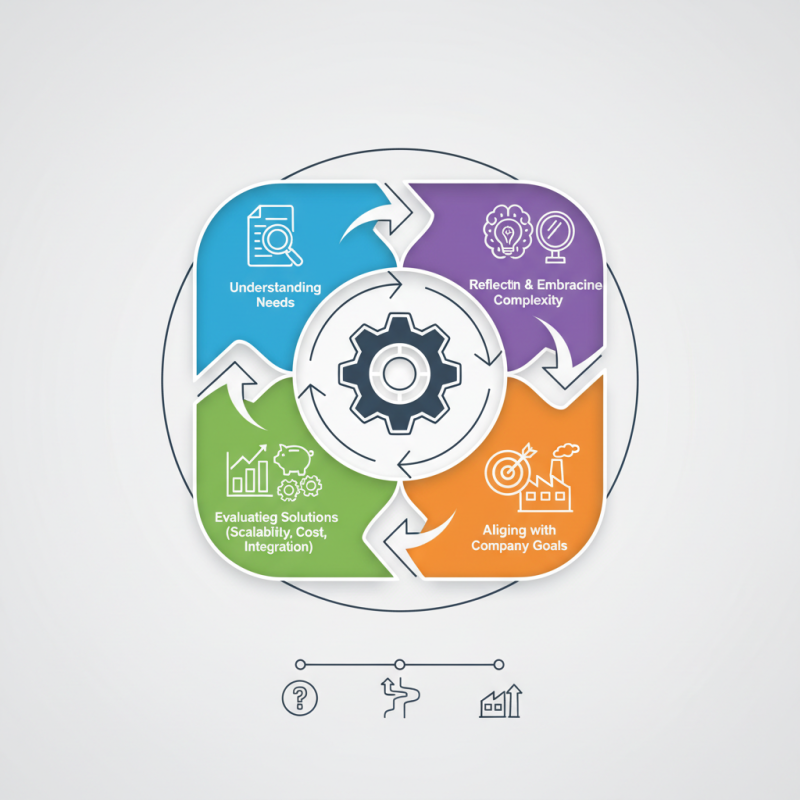
Evaluating various industrial automation solutions requires careful analysis. Factors like scalability, cost, and integration with existing systems matter deeply. Each company has unique challenges to consider. Overcomplicating the decision can lead to hesitation. In some cases, companies choose solutions that do not fully align with their objectives. Such missteps can hinder progress rather than promote it.
Selecting the best automation solution is about more than just technology. It's about aligning technology with a company’s goals. There is no one-size-fits-all answer. Businesses should reflect on their strengths and weaknesses. This reflection may reveal unexpected insights, guiding them toward the most suitable industrial automation solutions. Embracing this complexity can lead to better decision-making.
Understanding the Importance of Industrial Automation Solutions
Industrial automation solutions play a critical role in modern manufacturing. They enhance efficiency, reduce human error, and increase production speed. These solutions enable firms to automate repetitive tasks. This automation allows workers to focus on more complex issues. However, many establishments overlook the emotional aspects of automation. Workers may feel threatened by new technologies.
Choosing the right automation solution requires thorough consideration. Factors like company size, production goals, and employee skill sets are vital. A small company may not need the same setup as a large factory. Some businesses rush into decisions without conducting proper research. This can lead to mismatched investments and wasted resources. It’s crucial to understand the actual needs of the operation.
Moreover, integration can be a challenge. Not all automated systems work seamlessly together. Configuration errors can lead to significant downtime. Companies must balance technology adoption with training and support. Employees need to adapt to these systems. Ignoring this can create tension in the workplace. A successful transition involves clear communication and ongoing training.
Understanding the Importance of Industrial Automation Solutions
Evaluating Different Technologies for Industrial Automation
Evaluating different technologies for industrial automation is essential for achieving operational efficiency. According to a report by the International Federation of Robotics, factories utilizing robotics experienced a productivity increase of 37% in 2022. Such statistics highlight the critical nature of choosing the right solutions.
When assessing automation technologies, consider factors like scalability and integration capabilities. Automation systems should adapt to evolving production needs. For instance, IoT-enabled devices offer real-time monitoring, which can lead to smarter decision-making.
However, integration challenges often arise. Legacy systems may not seamlessly connect with new technologies, causing potential bottlenecks.
It's important to analyze the cost versus benefit ratio. A McKinsey report notes that successful automation projects can yield returns of 20% or more. Yet, not all projects achieve this. Companies must reflect on their operational requirements and thoroughly assess potential risks. Look for solutions that deliver tangible results while remaining cost-effective.
Comparing Vendors and Their Solutions
When comparing industrial automation solutions, several factors come into play. Market research by the International Data Corporation indicates that 70% of manufacturers prioritize scalability in their automation systems. This aspect ensures that businesses can grow without overhauling their entire operation. Vendors that offer modular designs are often favored.
Cost considerations cannot be ignored. According to a report from Automation World, an impressive 45% of companies cite ROI as a key decision factor. It’s essential to analyze not just initial costs, but also long-term maintenance expenses. Some vendors offer low upfront costs but may have higher ongoing fees, which can lead to frustration down the line.
**Tip:** Keep an eye on additional features. Many vendors bundle functions that may not be necessary for your specific needs. Avoid paying for what you do not use.
Vendor support is often overlooked. One study found that 60% of users encounter challenges during onboarding. Slow response times can hinder operations. Engaging with real user reviews can provide insight into a vendor’s reliability. Understanding their commitment to support can prevent future headaches.
**Tip:** Evaluate service level agreements (SLAs). A well-defined SLA can set clear expectations for support and service response times.
Implementing and Integrating Automation Solutions Effectively
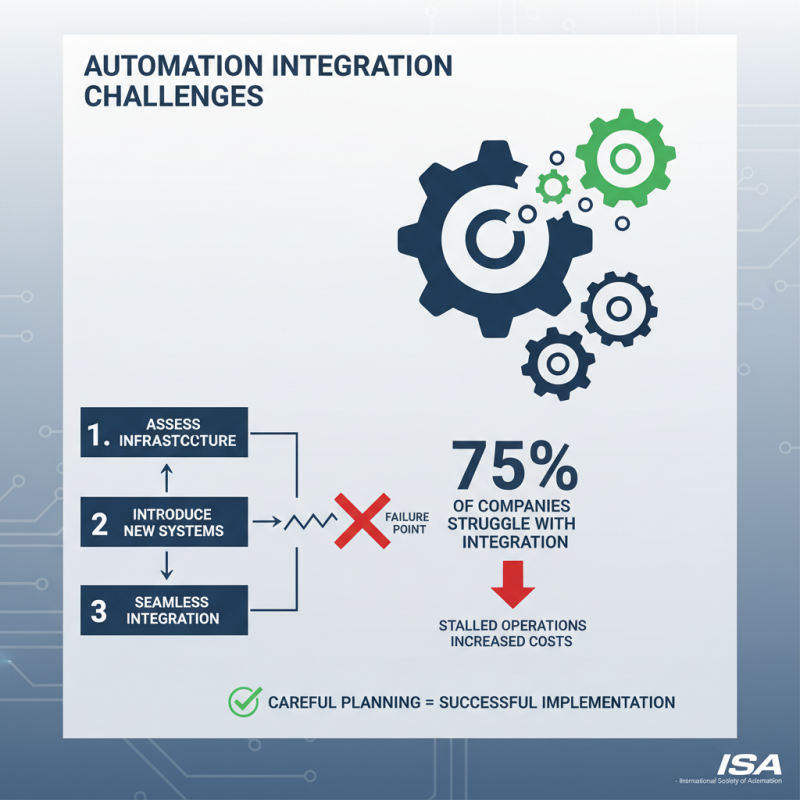
Implementing and integrating industrial automation solutions effectively requires careful planning. According to a recent report by the International Society of Automation, 75% of companies struggle during the integration phase. This can lead to stalled operations and increased costs. Companies must assess their existing infrastructure before introducing new systems.
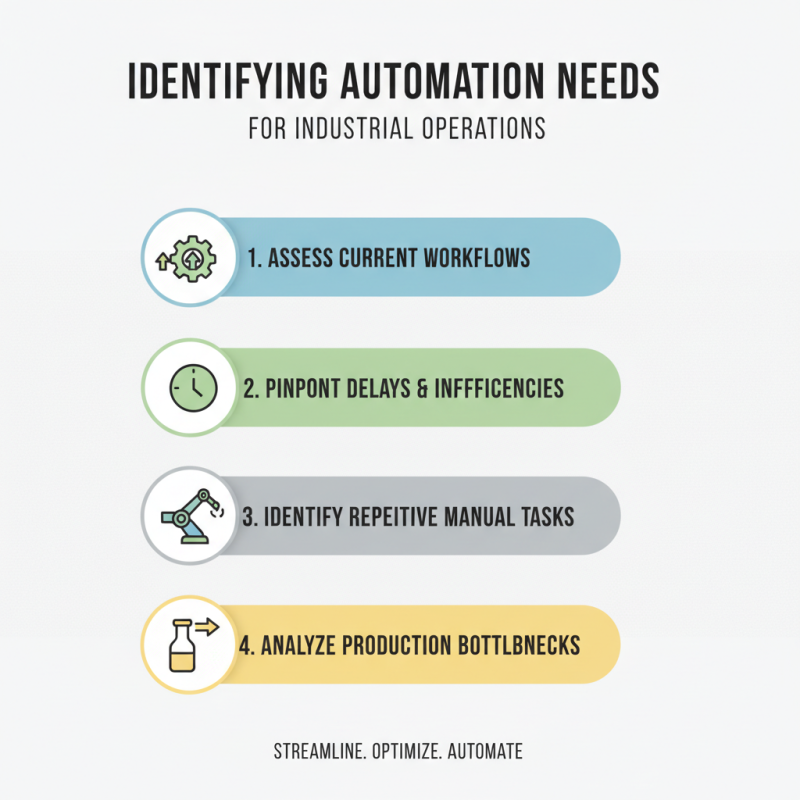
Analyzing processes is crucial. Understand the workflow and identify specific bottlenecks. A detailed inventory of machinery and software can help identify compatibility issues. In many cases, automation solutions are under-utilized due to poor integration. For example, a survey conducted by McKinsey found that 40% of automation investments return less than expected. The reasons often lie in the rushed implementation and lack of proper training.
Moreover, continuous evaluation is necessary. Monitor the performance of automation systems regularly. Adjustments may be needed to optimize workflows. Ignoring this can lead to inefficiencies. Collaboration between technical teams and management is essential for success. Effective communication can bridge the gap, ensuring everyone is on the same page.