Industrial automation and robotics represent a pivotal evolution in manufacturing and production. According to a recent report by the International Federation of Robotics, the global market for these technologies is expected to exceed $200 billion by 2025. Companies are increasingly adopting robotic systems to enhance efficiency, reduce labor costs, and improve quality metrics. Yet, the transition is not without challenges.
Many organizations struggle with integrating automation effectively. Skills gaps in the workforce are a significant barrier. A study from McKinsey indicates that 64% of manufacturing leaders feel unprepared to implement advanced technologies. This indicates a critical need for mastering industrial automation and robotics.
Moreover, while automation can drive remarkable productivity, it can also lead to job displacement. Finding the right balance between technology and human input is essential. This underscores the importance of thoughtful implementation and continuous employee training. Embracing industrial automation and robotics requires more than just investment; it demands a commitment to ongoing reflection and adaptation.

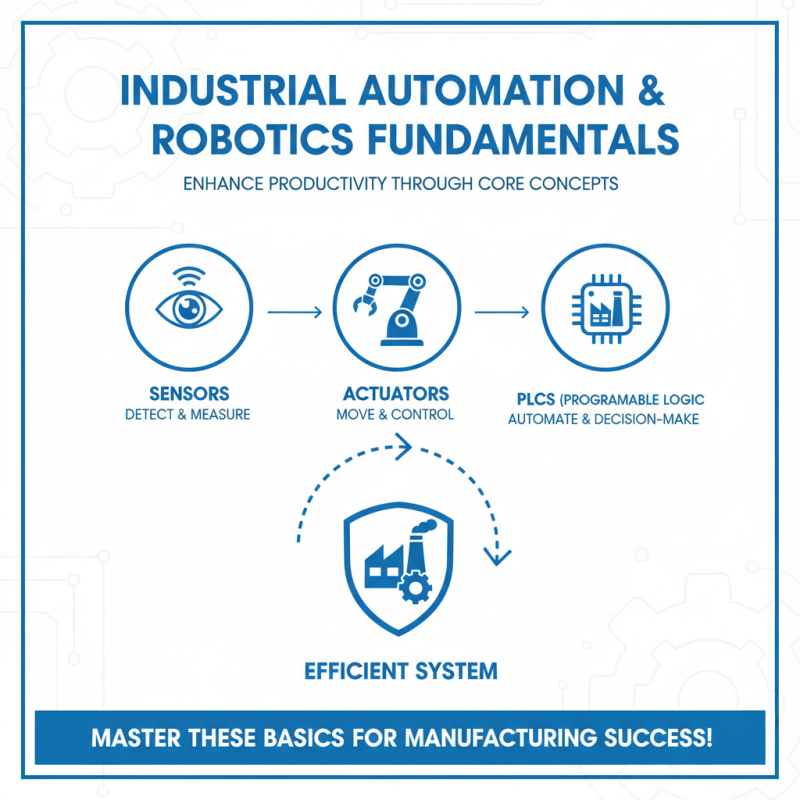
Industrial automation and robotics play a crucial role in modern manufacturing. Understanding the fundamentals can significantly enhance productivity. Start with basic concepts like sensors, actuators, and programmable logic controllers (PLCs). These components work together to create an efficient system. Familiarizing yourself with these terms is essential for anyone studying automation.
Learning by doing is vital. Consider starting small, perhaps with DIY projects or simulations. You might encounter setbacks. Some designs may not work on the first try. This is normal and part of the learning process. Analyze where things went wrong. Don’t rush—take the time to reflect on your experiments. Exploring different types of robots and their applications adds practical knowledge.
Emphasize safety at every stage. Understanding operational hazards is crucial. Robots can be powerful tools, but they can also pose risks if not handled properly. Keep an eye on the latest safety protocols. As you delve deeper, remember that mastering these skills takes time. Continuous learning and adaptation are key. The field evolves rapidly, and so must your knowledge.
The landscape of industrial automation and robotics is rapidly evolving. Key technologies are pivotal in driving this progress. According to a recent report from the International Federation of Robotics, global sales of industrial robots will reach approximately 2.4 million units by 2024. This surge highlights the increasing reliance on automation in manufacturing.
One essential tip for mastering this field is to focus on data analytics. It allows companies to gain insights from operational data. Effective data interpretation can enhance machine performance. Many enterprises are still struggling with data silos and integration issues. Addressing these gaps is crucial for maximizing productivity.
Artificial intelligence (AI) is another critical technology shaping the future. Integrating AI with automation helps streamline processes and improve decision-making. However, not all companies are ready for this shift. Training staff to understand AI applications remains a challenge. Continuous learning is vital in staying relevant in this competitive space.
Embracing these technologies can drive significant improvements, but it requires a cultural shift in many organizations. Engaging team members in the transition is not easy. Failure to involve them could lead to resistance. This journey demands patience and open-mindedness as industries navigate through technological advancements.
In the rapidly evolving field of industrial automation and robotics, mastering essential skills is crucial for professionals. Technical knowledge is just the beginning. You must grasp the principles of automation systems. Understanding PLCs, sensors, and robotics is necessary. A hands-on approach is vital. Experience in programming and troubleshooting can set you apart.
Soft skills also matter. Effective communication fosters teamwork. You’ll often work in diverse groups. Collaboration enhances problem-solving. Critical thinking is essential. Problems may arise unexpectedly on the floor. Learning to analyze situations quickly is key. Embrace a growth mindset. Mistakes happen; they are valuable learning opportunities. By reflecting on these experiences, you can improve continuously and adapt to changing environments.
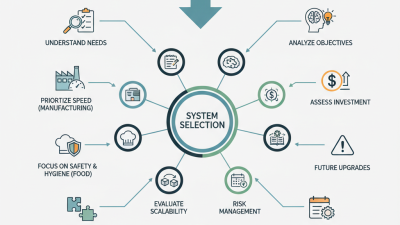
Implementing automation in manufacturing processes is crucial for improving efficiency. According to a report by McKinsey, automation could increase productivity by up to 30% in some industries. Every factory faces unique challenges. Understanding the specific needs of your operation is vital. Inadequate planning can lead to wasted resources and time.
Data integration is often overlooked. Many manufacturers struggle to connect their existing systems with new automated solutions. A study from Deloitte found that 52% of companies reported interoperability issues. Ensuring seamless communication between technologies can significantly boost workflow. It’s important to establish a clear data strategy early on.
Employee training is another critical aspect. A report by Deloitte highlights that 62% of manufacturing workers feel unprepared for automation. As machines take over repetitive tasks, training staff for more complex roles becomes essential. Investing in human capital is just as important as investing in technology. Companies need to reflect on their workforce strategies to maximize the benefits of automation.
| Tip | Description | Best Practice | Expected Outcome |
|---|---|---|---|
| 1. Define Clear Objectives | Establish what you want to achieve with automation. | Set measurable goals. | Improved focus and direction for the project. |
| 2. Choose the Right Technology | Select automation tools that fit your needs. | Research and evaluate options thoroughly. | Higher efficiency and compatibility. |
| 3. Start Small | Implement automation in phases. | Pilot projects can mitigate risks. | Easier management and adjustment. |
| 4. Train Your Workforce | Ensure employees have skills to operate new systems. | Provide comprehensive training programs. | Reduced errors and increased productivity. |
| 5. Monitor and Adjust | Continuously assess the performance of automated systems. | Set up regular reviews. | Optimization of operations over time. |
| 6. Implement Data Analytics | Use data to make informed decisions. | Integrate analytics tools with automation. | Enhanced decision-making. |
| 7. Ensure Cybersecurity | Protect automated systems from cyber threats. | Establish strong cybersecurity measures. | Safeguarding of sensitive data. |
| 8. Collaborate with Experts | Engage consultants or specialists in automation. | Seek external expertise when necessary. | Leveraged experience and knowledge. |
| 9. Engage Stakeholders | Involve all relevant parties in automation initiatives. | Facilitate open communication. | Foster support and alignment. |
| 10. Evaluate ROI | Assess return on investment for automation projects. | Calculate savings vs. costs. | Justify investment decisions. |
The landscape of industrial automation and robotics is evolving rapidly. According to a report by McKinsey, the market for industrial robots is expected to reach $70 billion by 2026. This growth is driven by advances in AI, machine learning, and big data. Companies that adapt quickly will gain a competitive edge.
As you navigate this field, consider adopting these essential tips. Embrace ongoing education. Understanding the latest technologies will keep you relevant. Invest in scalable systems. Flexibility can lead to better returns on investment. Focus on safety protocols. Human-robot collaboration must be prioritized to reduce risks.
Future trends highlight the rise of collaborative robots, or cobots. These robots are designed to work alongside humans. They increase efficiency and enhance production lines. However, this integration presents challenges. Workers may feel threatened by robots taking over tasks. Continuous training and clear communication can mitigate this fear. Automation's benefits must be balanced with ethical considerations and workforce impacts, ensuring a seamless transition into this exciting future.
© 2025 Tri-Phase | Privacy Policy | Purchase Terms & Conditions | Terms & Conditions