How to Implement Manufacturing Automation for Maximum Efficiency?
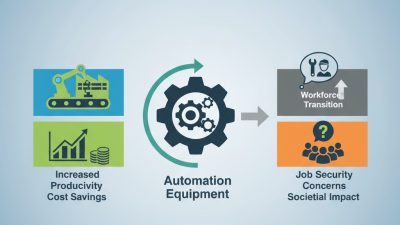
In the evolving landscape of manufacturing, automation stands at the forefront of operational efficiency. According to a McKinsey report, adopting manufacturing automation can lead to productivity increases of 30% or more in many sectors. Companies are increasingly recognizing the need to stay competitive. Automation not only streamlines processes but also reduces human error. This shift is crucial as labor costs rise and skilled labor becomes scarce.
The implementation of manufacturing automation is not without challenges. Companies often struggle with integration into existing systems. A study by Gartner highlighted that 60% of automation projects fail due to lack of planning. This points to a critical need for thorough strategy development. Addressing workforce concerns and retraining employees are necessary steps. Many organizations overlook these human aspects in their drive for efficiency.
Embracing manufacturing automation can significantly transform production capabilities. However, businesses must proceed with caution. Mistakes in execution can lead to setbacks and financial loss. Balancing technology adoption with workforce integration is key. Companies should prioritize a clear vision and realistic goals to maximize the benefits of manufacturing automation.

Understanding the Basics of Manufacturing Automation
Manufacturing automation is the integration of technology to improve production efficiency. According to a recent report by McKinsey, implementing automation can improve productivity by 20-30%. This significant gain presents an opportunity for manufacturers to enhance their operations. Understanding the basics of automation helps businesses create a solid foundation for this transition.
Automation can take various forms, including robotics, AI, and data analytics. For instance, robotics might handle repetitive tasks, while AI could analyze production patterns. However, the technology can require substantial investment. A study published by the International Federation of Robotics reveals that 58% of manufacturers cite high costs as a barrier to automation. Companies must therefore evaluate their budgets carefully before proceeding.
A key element to consider is workforce adaptation. Many employees may need retraining for new technologies. A survey from Deloitte indicates that only 43% of companies provide adequate training for automated systems. This gap highlights a need for organizations to invest in employee development. Ignoring this may lead to resistance, slowing down overall efficiency gains. Recognizing these challenges can lead to more effective implementation strategies in the long run.
Identifying Areas for Automation in Manufacturing Processes
Identifying areas for automation in manufacturing processes is critical for enhancing efficiency. Start by analyzing repetitive tasks. These usually consume significant time and resources. For instance, assembly lines can benefit from robotic arms for precision. They reduce human error and speed up production. However, it’s important to monitor the robots. Unexpected malfunctions can cause delays.
Next, focus on data management. Many manufacturers still rely on manual data entry. This can lead to inaccuracies and lost time. Implementing software solutions can streamline data collection. Yet, training staff to adapt to new systems poses a challenge. Resistance to change is common, and it can slow down progress.
Another area is quality control. Automation tools can perform inspections faster and more accurately than humans. They can identify defects that the human eye might miss. Yet, complete reliance on automated systems can be risky. Regular audits are necessary to ensure that machines are correctly calibrated. This continuous reflection on processes can help uncover more areas suitable for automation.
Selecting the Right Technology and Equipment for Automation
Choosing the right technology for manufacturing automation is crucial. Start by assessing your production needs. Identify repetitive tasks that could benefit from automation. For example, assembly lines can often be streamlined with robotic arms. These machines can perform precise movements consistently. However, wrong selections can lead to inefficiency. Many companies rush to adopt the latest technology without understanding its fit.
Once you have outlined your needs, consider budget implications. It's vital to evaluate the total cost of ownership. This includes initial investment, maintenance, and potential downtime. Sometimes, older equipment can be more reliable than the newest models. A thorough analysis may reveal that upgrading existing machines is a better option.
Training employees is equally important. Staff must understand how to operate and maintain new systems. A lack of proper training can lead to misuse and frustration. Regular feedback loops can help adjust processes and technology over time. Flexibility in implementation allows for tweaks as production goals evolve. Engage your team in discussions about the automation journey to ensure everyone is on board.
Manufacturing Automation Efficiency Metrics
Implementing Automation Solutions: Best Practices and Strategies
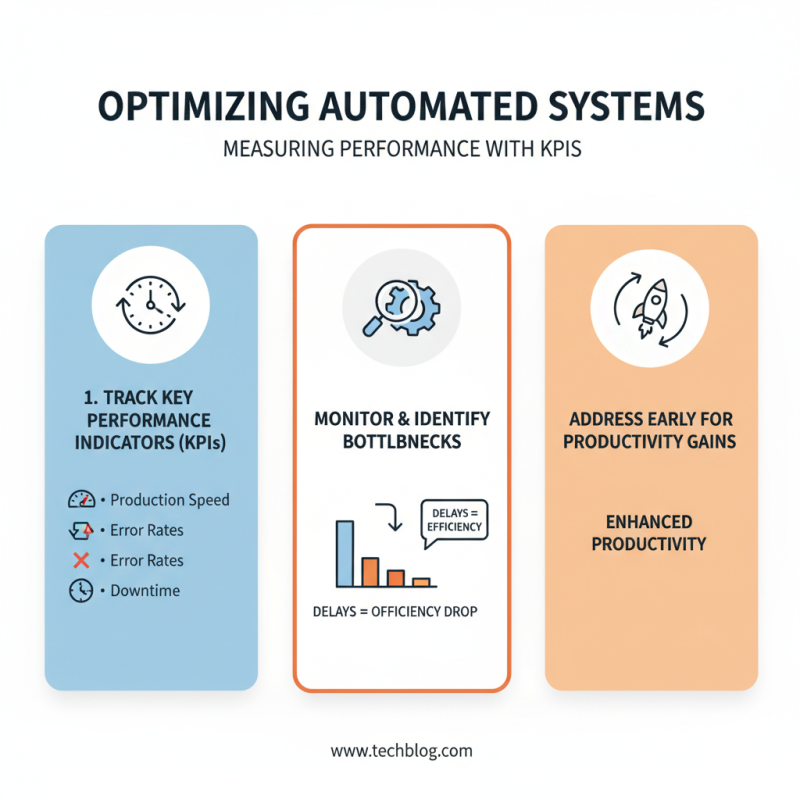
Implementing automation solutions in manufacturing can transform operations. Begin with a thorough assessment of existing processes. Identify bottlenecks and areas for improvement. This analysis allows you to pinpoint where automation can have the most significant impact. Consider integrating technologies like robotics and conveyor systems to enhance efficiency.
Incorporate a phased approach for implementation. Start with a single line or segment. Monitor performance closely during this initial phase. This not only minimizes risk but also provides insights for future expansion. Engage your workforce early in the process. Their feedback is crucial in addressing concerns and refining automation strategies.
Evaluate the integration of data analytics as a support tool. This helps in tracking performance and optimizing processes. However, be mindful of potential resistance to change. Employees may feel threatened by automation. Open communication can alleviate fears and encourage adoption. Regularly revisit your automation strategy. Be willing to adjust based on feedback and evolving needs.